Here are some other useful lifestyle tips you can follow to beat the summer heat.
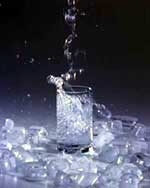 1. Water is the best option to quench thirst.
It is a key ingredient in keeping the body cool. With high humidity levels, sweat will not evaporate quickly. This prevents the body from releasing heat in an efficient manner. This is why it is necessary to hydrate and drink water, even when you are not thirsty. Increase water intake regardless of your activity levels.
2. Avoid caffeinated or carbonated beverages, alcoholic beverages, and those high in sugar.
All these drinks contain preservatives, colours and sugars. They are acidic in nature and act as diuretics. They cause loss of fluids through urine.
Many soft drinks contain diluted phosphoric acid, which damages the inner linning of the digestive tract and, therefore, affects its functions.
An excessive intake of soft drinks increases phosphorous levels in the blood. This separates calcium from the bones and moves it into the blood.
This calcium displacement from the bones makes them porous and brittle. It also causes plaque on the teeth, kidney stones, arthritis and bone spur.
Soft drinks also reduce mineral levels in the body to such an extent that enzymes are unable to function well, resulting in indigestion.
3. Do not drink very chilled liquids.
They do not really help cool you down in summers, though they make you cool for some time. Drinking really cold liquids when feeling hot may lead to a slight constriction of the blood vessels in the skin and decrease heat loss, which is not advisable when trying to cool down.
4. Limit all strenuous activity.
5. Eat light, nutritious and non-fatty meals.
6. Reduce intake of heaty vegetables and fruits, like spinach, radish, hot peppers, onions, garlic, beetroot, pineapple, grapefruit and ripe mangoes (if you cannot resist mangoes, soak them overnight in water).
7. Minimise the intake of dried fruits. Increase the intake of fresh fruit.
8. Use sabza (tulsi seeds) in your drinks -- this has very cooling effect on the body.
9. Include lots of fruits and vegetables in the form of salads and fresh juices, preferably without sugar, in your diet.
10. Drink lemon juice, coconut water and thin buttermilk, to replenish the fluids that are lost in sweat.
11. Avoid sugary foods, especially honey and molasses, and stick to natural sugars available from fruits and veggies.
12. Minimise the intake of hot, spicy foods and extremely salty foods. The body retains salt in the organic form found in fruits and veggies; the inorganic salt, meanwhile, is digested and needs to be thrown out of the body. And this is why you need to drink water!
13. Cut the intake of fried foods, like vadas, samosas, chips, bhajias, farsans, etc. Fat has a thermal effect.
14. Maintain good hygiene levels.
Since the sultry heat of summer increases with each degree rise in the mercury, by rooting ourselves to nature's provision of healthful food choices we can experience the bloom of our health and vitality.



 10. Tuberculosis